Life Biosciences Doses First Patient in Landmark Trial of Cellular-Reprogramming Therapy for Vision Loss
ER-100 is one of the first attempts to take partial epigenetic reprogramming — resetting cells to a "younger" state — from the lab into a human trial. The first patient has now been dosed.
media age.house
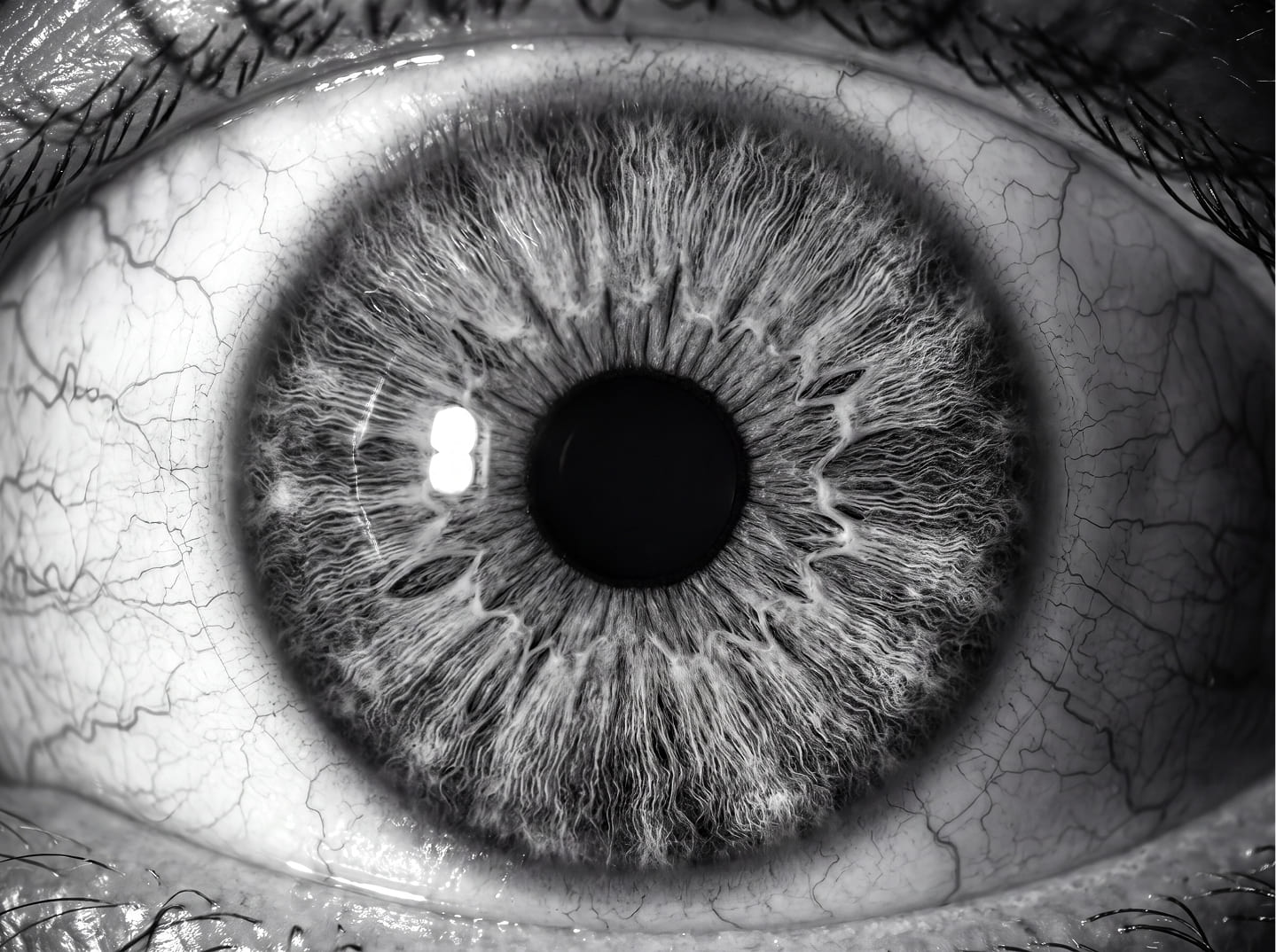
Illustrative image. Not provided by Life Biosciences.
Life Biosciences has dosed the first patient in a Phase 1 trial of ER-100, an experimental therapy for optic neuropathies, the company announced on June 9, 2026 from Boston. It marks one of the first times a partial cellular-reprogramming therapy — a core idea in aging biology — has reached human testing.
The trial targets two conditions that damage the optic nerve: open-angle glaucoma (OAG) and non-arteritic anterior ischemic optic neuropathy (NAION).
The Science: Resetting a Cell’s Age
Optic neuropathies destroy retinal ganglion cells — the neurons that carry visual signals from the eye to the brain. Because these cells don’t regenerate, the vision loss they cause has been considered permanent. Today’s treatments largely manage risk factors — lowering intraocular pressure in glaucoma, for example — rather than the damage to the cells themselves, and disease often progresses anyway. NAION, the most common acute optic neuropathy in adults over fifty, has no approved treatments at all.
ER-100 is built on Life Biosciences’ Epigenetic Restoration platform, which approaches that problem from an unusual angle: instead of trying to replace dead cells, it tries to make surviving, aged cells function as they did when they were younger.
The mechanism rests on three transcription factors — OCT4, SOX2, and KLF4, together known as OSK. These are three of the four “Yamanaka factors” famous for reprogramming adult cells back into stem cells. Used at full strength they erase a cell’s identity entirely; used in a controlled, partial way, the bet is that they can reset a cell’s epigenetic patterns — the chemical marks that accumulate with age and change which genes are switched on — toward a more youthful state without wiping out what the cell is.
In ER-100, that approach is aimed at restoring function in the eye’s retinal ganglion cells by treating aging at the epigenetic level rather than the resulting damage.
The Trial
The Phase 1 study is an early safety test, with vision in its sights as well:
- Indications: open-angle glaucoma and NAION
- Primary aims: safety, tolerability, and visual-function endpoints
- Trial ID: NCT07290244
- Status: initiated Q1 2026; first patient now dosed
As a Phase 1 trial, its central purpose is to establish whether the therapy is safe in humans — efficacy signals, if any, come later and in larger studies.
Why It Matters
Partial reprogramming has been one of the most closely watched ideas in longevity science. Animal studies — including work from Life Biosciences co-founder David Sinclair’s lab at Harvard — have suggested OSK expression can restore vision in aged and injured mouse eyes. The open question has always been whether the approach is safe and effective in people. Dosing the first human patient is the moment that question begins to be answered.
“This is an important moment for Life Bio and for the field of aging biology,” said David Sinclair, Ph.D., co-founder of Life Biosciences and professor of genetics at Harvard Medical School. “Our research has suggested that aging is driven in large part by the loss of epigenetic information, not irreversible damage. This clinical study represents the first opportunity to test whether restoring that information can ameliorate human disease.”
“This milestone reflects years of rigorous scientific development and translational research,” said Sharon Rosenzweig-Lipson, Ph.D., Chief Scientific Officer of Life Biosciences. “Our preclinical studies have demonstrated that controlled OSK expression can reset epigenetic patterns associated with healthy cellular function, improve tissue performance, and restore visual function in animal models. Advancing ER-100 into the clinic is an important step toward translating epigenetic restoration into a new class of medicines for age-related diseases.”
Beyond the eye, the stakes of vision loss itself are broad: the company notes it raises the risk of falls, lost independence, and the depression and dementia that can follow social isolation — part of why disease-modifying therapies are so sought after. Life Biosciences describes itself as pioneering cellular rejuvenation through epigenetic restoration to reverse diseases of aging, with ER-100 the lead program of a broader OSK-based platform it is now extending to other organs and indications.
Details: Based on Life Biosciences’ press release dated June 9, 2026. ER-100 is an investigational therapy in early-stage (Phase 1) testing and has not been shown to be safe or effective in humans. Trial information is registered at clinicaltrials.gov under NCT07290244.
Disclaimer
This content is for informational and educational purposes only and is not medical advice. Always consult a qualified healthcare professional before making changes to your health.