Buck Institute Will Use Oracle Health Data to Build an Intrinsic Capacity Score
The Novato institute is applying more than 122 million de-identified longitudinal records to an ARPA-H effort to measure vitality and spot age-related decline earlier.
Founding Editor & Reporter
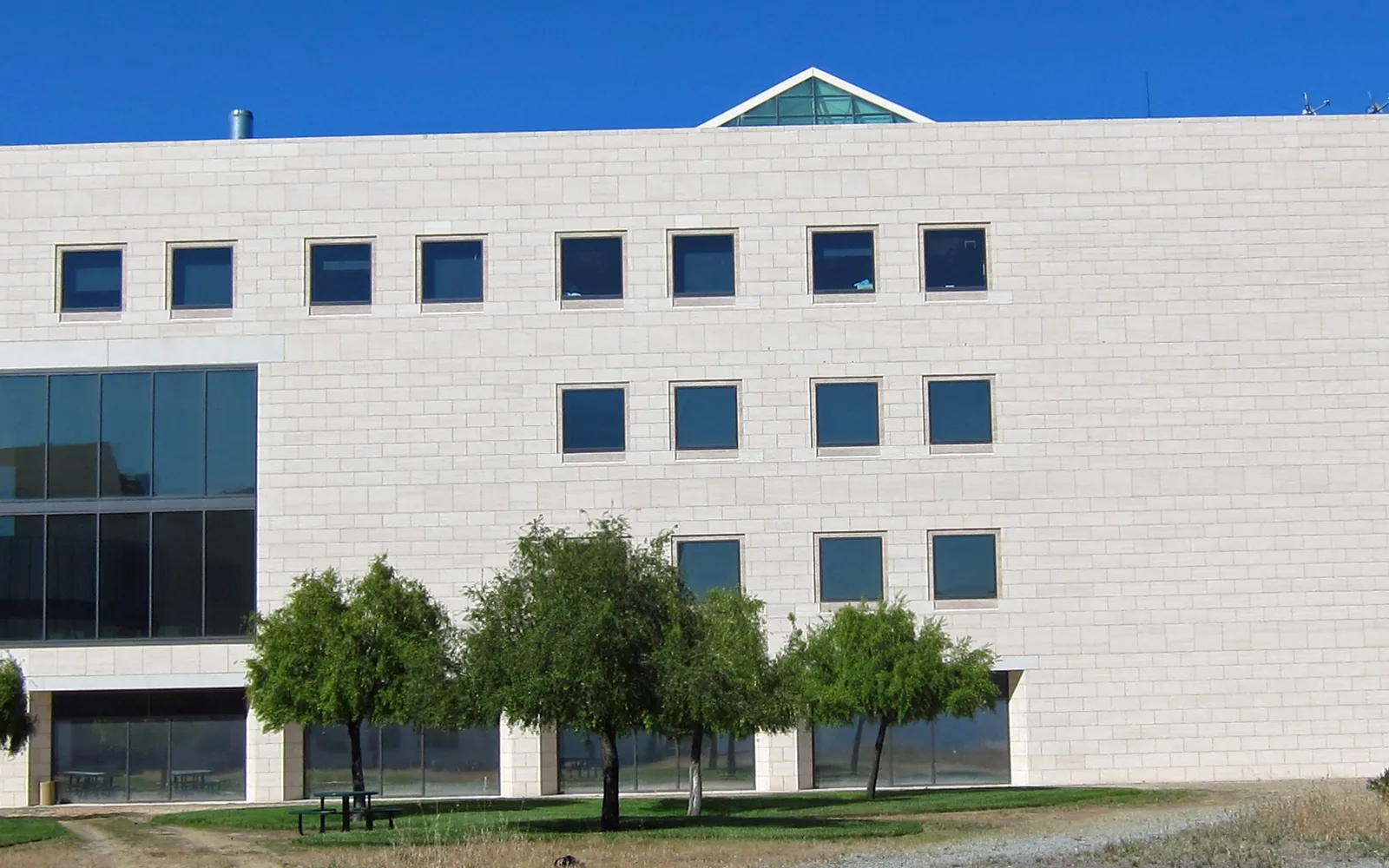
Oracle and the Buck Institute for Research on Aging are working together on biomarkers meant to catch age-related disease earlier and on a vitality score the institute hopes to qualify with the FDA, the companies announced on September 23, 2026.
Buck will use Oracle Life Sciences Data Intelligence, a set of tools built on more than 122 million de-identified longitudinal records from Oracle Health. The count is current as of May 2026. Oracle said patients who have been seen in more than one health system can appear more than once.
Background
The Buck Institute is one of the analytics groups in THRIVE — Transforming Health: Reclaiming Intrinsic Vitality for Everyone — a consortium led by Stanford University. THRIVE sits inside PROSPR, the PROactive Solutions for Prolonging Resilience program at the Advanced Research Projects Agency for Health, part of the U.S. Department of Health and Human Services.
The consortium’s goal is a validated measure of physical and mental capacity that can predict longer-term health and support earlier intervention when that capacity starts to slip. Buck’s piece of the work is an “Intrinsic Capacity Score,” which the institute describes as a vitality score for healthy aging and as a candidate for FDA-grade qualification.
What the Data Is For
Using the Oracle environment, Buck researchers plan to build patient cohorts from decades of health records and look for small clinical changes that precede frailty or chronic disease. The intended model would estimate which patients are at highest risk, and when, so that care and trials can start sooner.
David Furman of the Buck Institute said the combination of the software and the depth of the records should let the team connect early clinical signals with later outcomes.
Researchers get hosted access to the de-identified data and can build cohorts, run queries, and do bioinformatics work without assembling the dataset themselves. Oracle describes the product as a cloud workspace that can take a research question, suggest analyses, and show where each result came from.
Seema Verma, executive vice president and general manager of Oracle Health and Life Sciences, said the company is supplying the data and analytics layer for work that treats aging research as a predictive science.
The project is funded in part by ARPA-H.
What’s Next
The announcement describes the data access and the score Buck wants to qualify. It does not give a date for an FDA submission or a finished measure.
The Collaboration at a Glance
- Partners: Oracle and the Buck Institute for Research on Aging
- Announced: September 23, 2026, at the Oracle Health and Life Sciences Summit in Orlando
- Data: More than 122 million de-identified longitudinal records, as of May 2026
- Program: THRIVE, inside ARPA-H’s PROSPR program, led by Stanford
- Aim: An Intrinsic Capacity Score for earlier detection of age-related decline
- Buck contact in the release: David Furman
Disclaimer
This content is for informational and educational purposes only and is not medical advice. Always consult a qualified healthcare professional before making changes to your health.