Late-Life Semaglutide Extended Lifespan in Older Female Mice
An NIH-funded study at UC Berkeley found that older female mice given the GLP-1 drug lived a median of nearly 100 days longer than untreated mice, and outperformed a matched calorie-restricted group on memory and blood sugar.
Founding Editor & Reporter
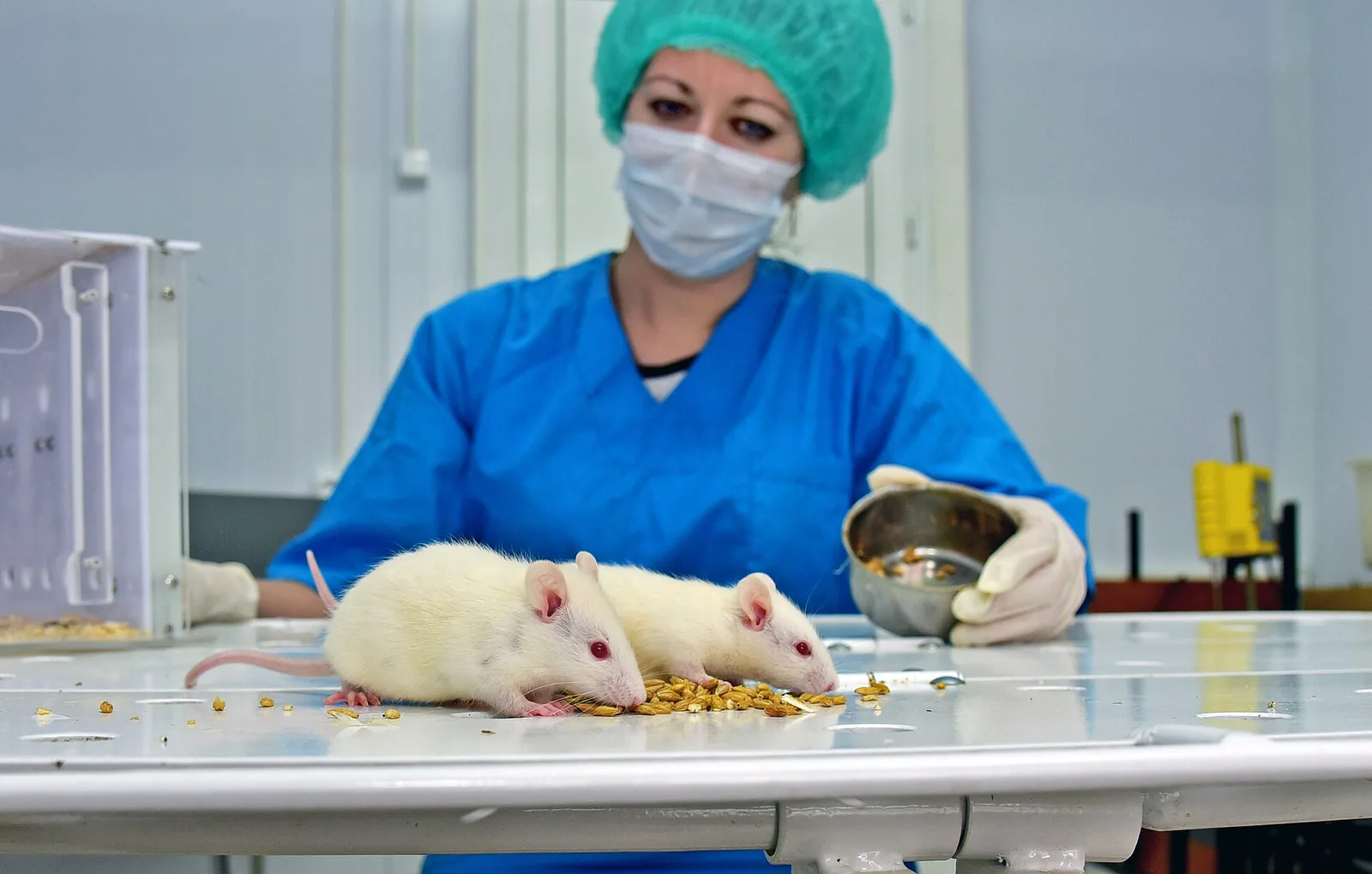
Semaglutide extended lifespan in older, healthy female mice and improved measures of muscle and cognition, according to an NIH-funded study published in Nature on September 2, 2026.
Researchers at the University of California, Berkeley, led by Danica Chen, compared the GLP-1 drug with eating less. The drug reproduced many of the effects of calorie restriction and, on some measures, went further.
What the Study Did
To look at GLP-1 drugs when aging is already well underway, the team gave semaglutide to female mice that were 20 months old.
After three months, treated mice had better muscle and cognitive function than untreated controls. Gene-expression measurements showed lower marks of aging, including less inflammation and a higher capacity for repair.
A separate group kept on the drug until death had a median lifespan nearly 100 days longer than mice that were not treated.
Not Just Eating Less
The researchers then asked whether the benefit was only from a smaller appetite.
For five months, one group of 20-month-old female mice received semaglutide. Another group ate 24% fewer calories, on a schedule matched to what the treated mice ate. Most physiological measures looked similar. Semaglutide-treated mice did better than their own starting point on exploratory behavior, spatial memory, and blood-sugar control. Metabolic rate fell in the calorie-restricted mice and stayed largely the same in the mice on the drug.
Chen, a professor of metabolic biology and nutrition at Berkeley and the paper’s corresponding author, said those differences suggest GLP-1 drugs may act through a pathway that is not the same as calorie restriction.
Rafael de Cabo, a senior investigator at the National Institute on Aging and author of a commentary on the study, said most chronic disease is rooted in aging, so a wide set of clinical benefits is what would be expected if GLP-1 agonists slow that process.
What’s Next
The National Institutes of Health said the mouse results can guide further research and do not mean the same outcome would show up immediately in people. It pointed to clinical work, including a post-hoc analysis of the SLIM LIVER trial, as the kind of study still needed. Chen said future trials could also look at healthy older adults, which would widen how the drugs are used.
NIH supported the work through National Institute on Aging grants R01AG063404, R01AG063389, and R01AG082105.
The Study at a Glance
- Paper: Feng et al., Nature, September 2, 2026
- DOI: 10.1038/s41586-026-10940-7
- Drug: Semaglutide
- Animals: Female mice, starting at 20 months of age
- Lifespan result: Median lifespan nearly 100 days longer than untreated mice
- Comparison: A 24% calorie-restricted diet matched to the treated animals’ feeding pattern
- Lead institution: University of California, Berkeley
- Funder: National Institute on Aging
Disclaimer
This content is for informational and educational purposes only and is not medical advice. Always consult a qualified healthcare professional before making changes to your health.